

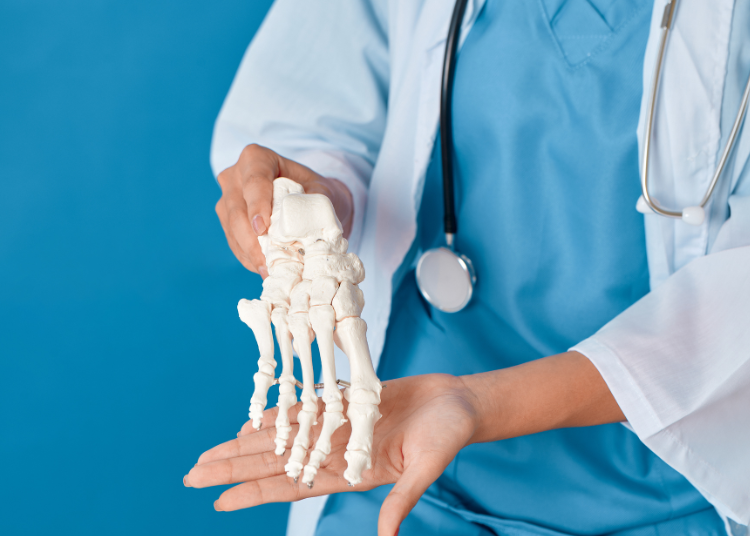
Osteoporosis and sarcopenia are two common age-related conditions that significantly affect the quality of life in older adults. While they are distinct conditions, they are often interconnected and can exacerbate each other. Both osteoporosis, a disease characterised by reduced bone density, and sarcopenia, the loss of muscle mass and strength, contribute to frailty and increase the risk of falls and fractures. Together, they can create a dangerous cycle that leads to further functional decline.
In this article, we will explore the causes, risk factors, and impacts of osteoporosis and sarcopenia, and how nutrition and lifestyle changes can help manage or prevent these conditions.
What Is Osteoporosis?
Osteoporosis is a condition in which bones become weak and brittle due to the loss of bone density. This makes them more susceptible to fractures, even from minor falls or injuries. Bones undergo a constant process of remodeling, where old bone tissue is broken down and replaced by new tissue. In osteoporosis, this process becomes imbalanced, with bone resorption (the breakdown of bone tissue) exceeding bone formation, leading to a decrease in bone mass.
Common risk factors for osteoporosis include:
- Age: Bone mass naturally decreases with age, particularly after menopause in women.
- Gender: Women are at a higher risk, especially postmenopausal women, due to a decrease in oestrogen, a hormone that helps maintain bone density.
- Family history: A family history of osteoporosis or fractures increases your risk.
- Low calcium and vitamin D intake: These nutrients are vital for bone health.
- Lack of physical activity: Regular weight-bearing exercises are essential for maintaining bone strength.
- Smoking and excessive alcohol consumption: Both can contribute to bone loss.
What Is Sarcopenia?
Sarcopenia is the loss of muscle mass and strength that occurs with aging. It is a natural part of the aging process, but it can be accelerated by a lack of physical activity, poor nutrition, and other health conditions. Sarcopenia is associated with a decline in mobility, balance, and overall functional capacity, increasing the risk of falls, disability, and frailty.
The process of muscle loss begins around the age of 30, with a gradual decline in muscle mass and strength. As individuals age, this decline accelerates, particularly in those who lead sedentary lifestyles or have poor dietary habits. Sarcopenia can also be linked to other conditions like chronic diseases, hormonal imbalances, and malnutrition.
Key risk factors for sarcopenia include:
- Age: Like osteoporosis, sarcopenia becomes more common with advancing age.
- Inactivity: Lack of regular physical activity, particularly strength training, can contribute to muscle loss.
- Poor nutrition: Inadequate intake of protein and other essential nutrients can accelerate muscle breakdown.
- Chronic diseases: Conditions like diabetes, cardiovascular disease, and rheumatoid arthritis can increase the risk of sarcopenia.
- Hormonal changes: Reduced levels of testosterone and growth hormone contribute to muscle loss, especially in men.
The Connection Between Osteoporosis and Sarcopenia
Though osteoporosis and sarcopenia affect different tissues; bones and muscles, they are closely related, and the presence of one condition often increases the risk of the other. As bone density decreases with osteoporosis, the body compensates by shifting the load onto the muscles, which can cause muscle fatigue and weakness. Likewise, the loss of muscle mass in sarcopenia can lead to a reduction in physical activity, which may further exacerbate bone loss.
This interconnected relationship creates a cycle of deterioration in both bones and muscles. For instance, as muscle strength weakens due to sarcopenia, individuals may experience balance problems, which increases the risk of falling and sustaining fractures. Similarly, when bones are weakened by osteoporosis, even a minor fall can lead to a bone fracture, which can further limit physical activity and lead to muscle atrophy.
Together, osteoporosis and sarcopenia contribute to a condition known as osteosarcopenia, which involves both weakened bones and muscles. This condition is common in older adults and is associated with increased frailty, disability, and higher mortality rates.
How to Manage Osteoporosis and Sarcopenia with Nutrition
Both osteoporosis and sarcopenia can be managed and even prevented with proper nutrition. A balanced diet rich in the right nutrients is crucial for maintaining bone and muscle health. Here’s how specific nutrients can support the prevention and management of these conditions:
1. Calcium for Bone Health
Calcium is the most important mineral for maintaining bone strength. The body requires calcium to build and maintain bone density. When there isn’t enough calcium in the diet, the body begins to take calcium from the bones, which can lead to weakened bones and increase the risk of fractures.
- Good sources of calcium: Dairy products (milk, yogurt, cheese), leafy green vegetables (kale, collard greens), fortified plant-based milks (almond, soy, oat), tofu, and sardines.
The recommended daily intake of calcium for adults is 700 milligrams for those under 50 and 1,200 milligrams for men over 55 and women following the menopause.
2. Vitamin D for Calcium Absorption
Vitamin D is essential for calcium absorption in the intestines. Without enough vitamin D, the body cannot efficiently absorb calcium from food, which can lead to bone loss and osteoporosis. Vitamin D also helps maintain muscle function, which can help reduce the risk of falls in individuals with sarcopenia.
- Good sources of vitamin D: Fatty fish (salmon, mackerel), fortified foods (milk, orange juice), egg yolks, liver, UV treated mushrooms and exposure to sunlight.
In the UK, it is generally recommended that everyone considers taking a vitamin D supplement during the winter months. Individuals at higher risk of deficiency may benefit from supplementing year-round, alongside regular blood testing to help assess and personalise their vitamin D needs.
3. Protein for Muscle Maintenance
Protein is essential for maintaining and building muscle mass. A diet high in protein can help prevent sarcopenia by providing the building blocks necessary for muscle repair and growth. It is important to include high-quality protein sources in the diet, such as lean meats, fish, eggs, legumes, and dairy.
- Good sources of protein: Chicken, turkey, fish, eggs, beans, lentils, tofu, and dairy.
4. Magnesium for Bone and Muscle Health
Magnesium is an important mineral for bone health and muscle function. It helps in the regulation of calcium levels in the bones and supports muscle contraction and relaxation. Adequate magnesium intake can help prevent osteoporosis and improve muscle function, which is vital in the prevention of sarcopenia.
- Good sources of magnesium: Dark leafy greens (spinach, kale), nuts and seeds, whole grains, legumes, and avocados.
5. Omega-3 Fatty Acids for Inflammation and Muscle Health
Omega-3 fatty acids have anti-inflammatory properties, which can help reduce the chronic inflammation associated with both osteoporosis and sarcopenia. These healthy fats also play a role in muscle protein synthesis, helping to preserve muscle mass in older adults.
- Good sources of omega-3s: Fatty fish (salmon, mackerel), walnuts, flaxseeds, chia seeds, and soy.
6. Vitamin K for Bone Health
Vitamin K is essential for bone health as it helps in the regulation of calcium in the bones. It activates proteins that are necessary for bone mineralization and helps prevent excessive bone resorption.
- Good sources of vitamin K: Leafy green vegetables (kale, spinach), broccoli, Brussels sprouts, and fermented foods (like natto).
Lifestyle Factors to Manage Osteoporosis and Sarcopenia
In addition to a healthy diet, certain lifestyle changes can help prevent and manage both osteoporosis and sarcopenia:
- Weight-Bearing Exercise: Activities like walking, jogging, dancing, and weightlifting are crucial for building and maintaining bone density and muscle strength. Strength training exercises, in particular, are beneficial for combating sarcopenia by stimulating muscle growth and function.
- Balance and Flexibility Exercises: Yoga, tai chi, and other balance exercises can reduce the risk of falls, which is particularly important for individuals with osteoporosis.
- Quit Smoking and Limit Alcohol: Smoking and excessive alcohol consumption are both risk factors for osteoporosis and can accelerate bone loss. Reducing alcohol intake and quitting smoking can help prevent further damage to bones and muscles.
- Stay Active: Even light activities, such as walking or gardening, can help maintain bone and muscle health. It’s essential to stay active as we age to prevent the decline associated with sarcopenia and osteoporosis.
Conclusion
Osteoporosis and sarcopenia are serious conditions that often occur together, leading to a heightened risk of fractures, falls, and disability. However, with the right nutrition and lifestyle changes, it is possible to manage and even prevent these conditions. Prioritising bone-healthy nutrients such as calcium, vitamin D, and magnesium, alongside muscle-maintaining protein and omega-3 fatty acids, can significantly improve bone and muscle health. Additionally, regular physical activity, weight-bearing exercises, and maintaining a healthy lifestyle can help reduce the risks associated with osteoporosis and sarcopenia.
By taking proactive steps to support bone and muscle health, individuals can maintain strength, mobility, and independence as they age, ultimately enhancing their quality of life.
Sources:


